
Ledger Says It Has Identified More Counterfeit Devices as Its Security Investigation Expands
Ledger found altered hardware wallets in Berlin, Dubai, and Southeast Asia that may capture recovery phrases, causing $604,000 losses; buy directly.
Club desk Updated 2026-11-21 0 replies
What is the issue?
Ledger reported on November 18 that its investigation into physical implants in hardware wallets has expanded beyond Southeast Asia to Berlin, in Germany, and Dubai, in the United Arab Emirates.
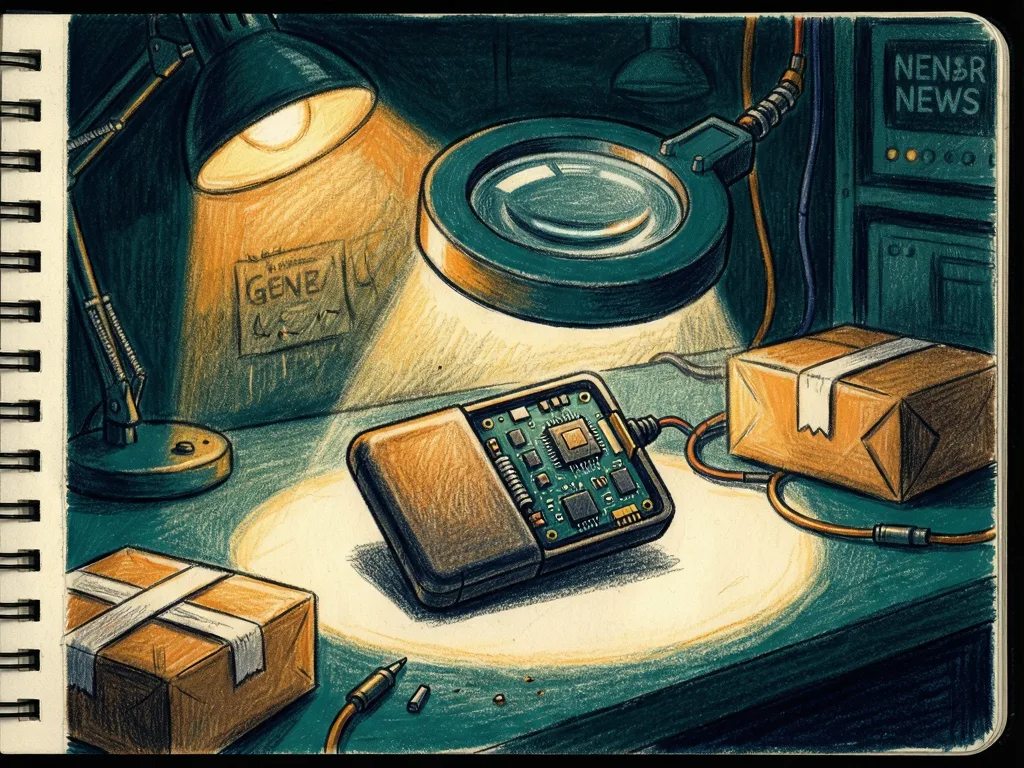
According to the company, the compromised devices feature physical modifications designed to capture the recovery phrase during initial setup. Ledger said the issue does not come from a flaw in the secure chip or operating system.
What is a hardware wallet?
A hardware wallet is a physical device used to keep the private keys that control crypto assets away from an online computer. Those keys are needed to sign transactions, while the recovery phrase can restore access to the wallet if the device is lost or damaged.
In the reported cases, the concern is that the recovery phrase can be captured during the setup process. If that happens, an attacker could potentially gain access to the funds controlled by the wallet.
Why does this matter?
The case highlights risks in the retail distribution chain for cryptoasset custody. The reported problem is not a software bug or a weakness inside the device’s secure chip or operating system. Instead, the risk is created by a physical modification that can exist before the buyer uses the device.
For users, this means that security is not only about the hardware wallet itself. It can also depend on how the device reached the customer, including where it was sold and whether it was altered along the way.
Which cases and losses were reported?
In Dubai, losses of $604,000 were reported among two users who purchased units from an authorized reseller.
In Berlin, suspicious devices sold since January 2026 were detected. That finding adds to a confirmed case of Ledger Nano Gen 5 in Southeast Asia.
What did Ledger recommend?
Ledger recommended not setting up or reusing devices purchased from third parties in those regions.
The company also recommended transferring funds to a wallet generated on a device bought directly from ledger.com.
Ledger said users should contact official support or local authorities for physical inspections.
What should newcomers understand?
The reported cases point to a practical lesson for hardware wallet users: the purchase path is part of the security model.
A device with no chip or software flaw can still become risky if it was physically modified in the supply chain before setup. Ledger’s guidance focuses on three actions: avoid third-party devices in the affected regions, create a new wallet on a device bought directly from ledger.com, and seek official support or local authorities when a physical inspection is needed.
Source note
The original report is identified as Crypto Economy Flash News and says it is prepared from official and public sources verified by an editorial team. It states that the information does not constitute financial advice or investment recommendations and recommends verifying the official channels of each project before making related decisions.
LedgerHardware WalletCrypto SecurityRecovery PhraseCounterfeit Devices