
A Malvertising Campaign Targets Apple iPhones to Steal Cryptocurrency Wallet Seed Phrases
MoldyRoost malvertising uses ads to drive-by exploit vulnerable iPhones, escaping Safari to steal crypto wallet seed phrases and sensitive data.
Club desk Updated 2026-11-27 0 replies
What is the MoldyRoost campaign?
Cybersecurity researchers at Confiant have uncovered a large malvertising operation called MoldyRoost that uses online ads to compromise vulnerable iPhones and target cryptocurrency wallet recovery data.
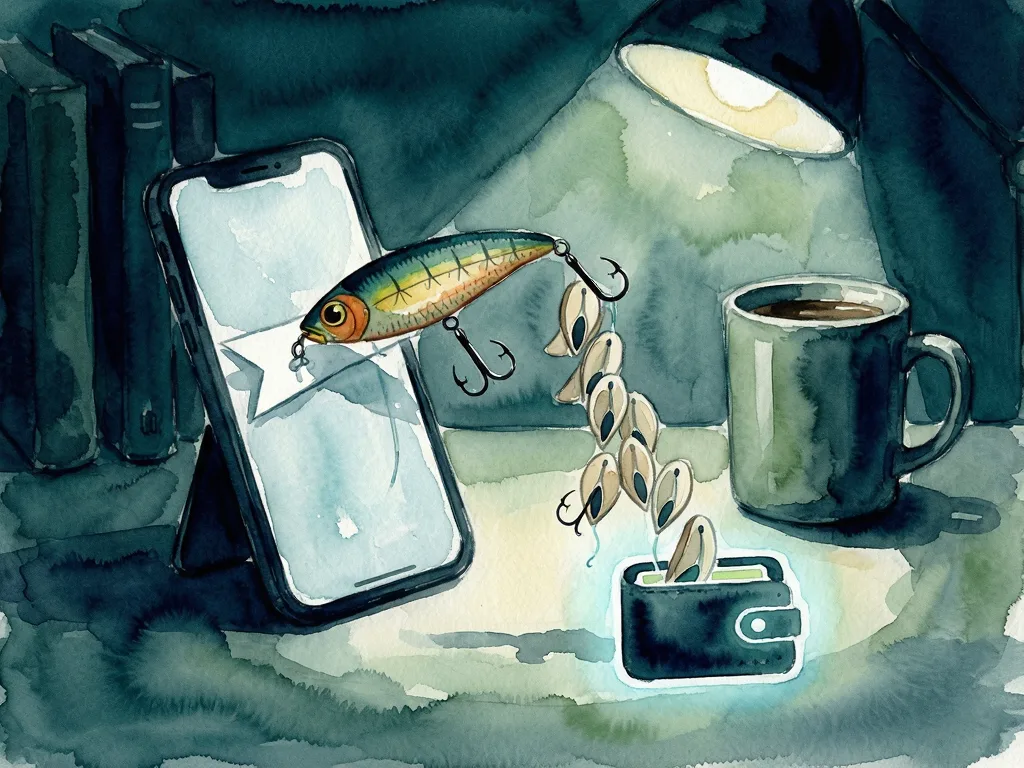
Between May 12 and November 17, Confiant linked more than 480 advertising domains to six sub-clusters across more than 47 countries. The campaigns buy programmatic ads at scale, use cloaking to hide malicious pages from unwanted visitors, and route iPhone users toward exploit kits matched to iOS versions.
The infrastructure is designed to identify vulnerable Apple devices while showing harmless decoy pages to other traffic. In other words, the same ad can appear ordinary to most visitors while leading selected iPhone users into a malicious chain.
Why does one tap matter?
The core risk is not a traditional download prompt or a clear instruction to install software. Confiant said that simply loading a malicious landing page can trigger an exploit chain without requiring a download or additional command.
That turns a single ad click into a drive-by attack. The user does not need to install an app or approve a file; the page can begin exploiting the browser and then search the device for sensitive information.
This adds another layer to concerns around Safari-based attacks targeting crypto keys, because the entry point is advertising rather than a direct request to install a malicious application.
How do Coruna, DarkSword, SilkPath and GhostWave work?
MoldyRoost deploys four exploit kits: Coruna, DarkSword, SilkPath and GhostWave.
The chains first gain code execution inside Safari. From there, they attempt to escape the browser sandbox and ultimately reach the iOS kernel. Once the device is compromised, the malware can access data crypto users stored elsewhere on the phone.
The campaign uses these exploit kits to escape Safari protections and search devices for crypto wallet seed phrases and other sensitive data. The result is a path from a web ad to local device data collection.
What data can attackers look for on an iPhone?
The report describes different goals depending on the exploit kit used.
Coruna targets wallet apps including MetaMask, Phantom and Trust Wallet and searches Apple Memos and saved quick-response code images for seed phrases. A seed phrase is the recovery data that can restore access to a cryptocurrency wallet, so it is one of the most sensitive items on a device.
DarkSword gathers a wider set of information, including wallet data, keychain contents, messages, saved Wi-Fi passwords, photo metadata and location history. That means the threat is not limited to one wallet app; it can sweep multiple places where private or recovery information may be stored.
Confiant also found that some campaigns used crypto-themed pages, including TRX energy, mining and fake anti-fraud content, to deliver the exploits. The attack therefore combines technical exploitation with advertising infrastructure rather than relying solely on conventional phishing prompts.
Similar threats have targeted recovery phrases through malicious crypto applications and photo-library stealing malware.
Which iOS versions are involved?
Known exploit chains target iOS versions through iOS 18. Apple had patched all six vulnerabilities used by DarkSword by iOS 26.3.
Researchers found code suggesting attempts to address iOS 26 devices, but Confiant said they had not seen working iOS 26 exploit code.
This indicates that newer software reduces exposure to the documented chains, while older or vulnerable devices remain the campaign’s primary target for now.
What does this mean for crypto users?
For readers, the important takeaway is that the risk is tied to device security and browser exposure, not only to wallet app permissions. If Safari is compromised through a malicious ad, data stored outside the wallet app may also become reachable.
The campaign targets iPhone users through online advertising, which means users may not perceive the initial step as unusual. A normal-looking ad can be the delivery mechanism for an exploit kit.
The findings also show why updated iOS versions matter. Because Apple had patched all six vulnerabilities used by DarkSword by iOS 26.3, devices running newer software are less exposed to those documented chains. Older or vulnerable devices remain the main target.
Is MoldyRoost the same as the November 16 Optimizely attack?
No. MoldyRoost is separate from the November 16 Optimizely supply-chain attack, despite sharing some of the same exploit-kit families.
The overlap in tools does not make the campaigns identical. Confiant’s report describes MoldyRoost as a malvertising operation built around advertising domains, cloaking, device targeting and iOS exploit chains that search for cryptocurrency recovery data.
MalvertisingiOS SecurityCrypto WalletsExploit KitsDrive-by Attacks