
Sui’s major breakthrough delivers zero-cost USD Coin to 82 million phones
Samsung Wallet beta integrates Sui to enable free USDC transfers for 82 million US Galaxy devices, using gasless payments and custody support.
Club desk Updated 2026-11-28 0 replies
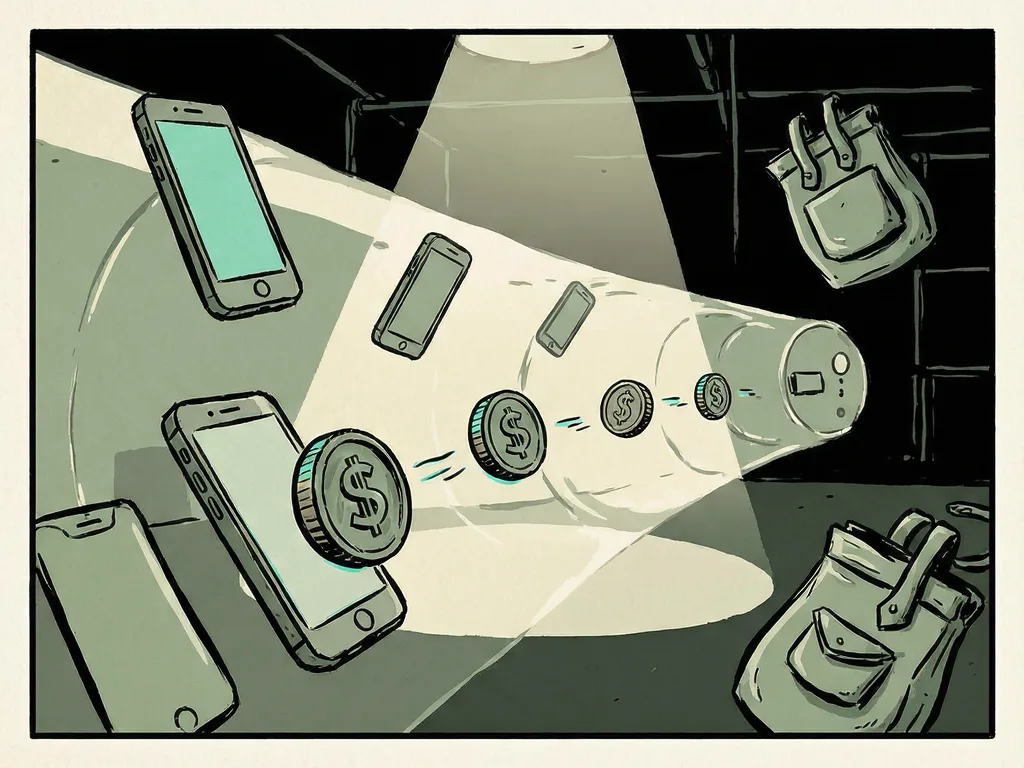
Samsung Wallet has become a direct entry point for stablecoin payments. A new integration with the Sui network lets US Galaxy users enrolled in the beta send USDC from Samsung Wallet without downloading a separate crypto app, buying SUI to pay gas, or paying Samsung a transfer fee. The larger question is whether blockchain payments can disappear inside ordinary consumer software.
What changed for Samsung Galaxy users?
Samsung Wallet ships on millions of Galaxy phones. Sui said on November 24, 2026, through its Chinese-language account @SuiNetworkCN, that about 82 million eligible Galaxy devices and the users on them can now transfer USDC on Sui through Samsung Wallet. The feature is beta-based and limited by eligibility. A user must be a US resident, be age 18 or older, have a Samsung Account, and use an Android 13+ device.
USDC is the only digital asset supported at launch. Users can move USDC between Samsung Wallets, withdraw USDC to an external wallet, and convert USDC to local currency for bank deposits in over 60 countries. The SUI token is not available in Samsung Wallet at launch because the feature is built for payments, not trading or investing. Sui is emphasizing daily transaction volume and real-world use over speculation about the token’s utility.
Why do gasless transfers matter?
On many blockchain networks, every transfer needs a fee paid in the chain’s native token. If someone receives USDC but does not hold the native token, they cannot move that balance without first buying the native token. Sui addresses this with sponsored, or gasless, stablecoin transfers at the protocol level. A user can receive and send USDC without owning SUI.
Samsung is layering its proprietary zero-fee policy on top of that capability, so the user-facing transfer fee is $0 and no SUI is required for gas. That does not make the system costless. Someone still needs to subsidize or cover the infrastructure cost. The design also puts greater importance on escrow, compliance, account recovery, and dispute resolution, especially when users control their own keys. The stablecoin infrastructure and custody partner is Bastion, with Coinbase as sub-custodian.
What does it mean for users?
For a consumer already using Samsung Wallet, the change reduces friction. The experience no longer requires installing a crypto wallet, learning a native token, or managing separate gas balances. Instead, USDC behaves more like a digital payment balance inside a mainstream app.
The limits are practical. The feature is in beta, it applies only to eligible US Galaxy devices, and it is not a trading or investing product. The custody and compliance structure matters because users can withdraw to external wallets, while bank-deposit conversion depends on the supported countries and the provider’s checks.
Why it matters for Sui and stablecoin payments
For Sui, the integration is a distribution achievement rather than proof of everyday use. The 82 million figure describes eligible devices, not active users. Adoption will depend on awareness, onboarding, and trust. The launch also reflects a broader stablecoin direction: platforms are moving beyond exchanges and trading toward payments, payroll, remittances, and consumer-to-consumer transfers.
USDC has gained ground against USDT in areas such as compliance, transparency, and enterprise integrations. Putting USDC inside Samsung Wallet gives the token institutional visibility and signals credibility to competitors. Other Layer 1 networks now face pressure to match this level of fee abstraction, consumer reach, and practical payment use cases.
Solana remains part of Samsung’s earlier USDC transfer plan, which suggests Samsung is not choosing one chain exclusively. The approach is multichain. The next measurable step is usage: active wallets, transfer volume, user retention, and whether consumers extend the feature beyond peer-to-peer transfers to merchants and remittances. If usage accelerates, Samsung Wallet may become an example of how Layer 1 infrastructure can reach ordinary users, instead of asking users to seek out crypto.
What other Sui-related facts appeared in the source?
Other Sui-related developments mentioned alongside the Samsung Wallet launch include Sui Hashi unlocking powerful $500 million Bitcoin with 1:1 hBTC; Fluid’s Big Sui Deal involving more than 20 partners, $500 million, and 1:1 hBTC; and Mysten Labs buying back 1.2 million SUI tokens. These items are not part of the Samsung Wallet payment feature itself, but they add context to the broader Sui ecosystem.