
JPMorgan, HSBC, and StoneX have completed landmark digital gold transactions.
JPMorgan, HSBC and StoneX completed live wholesale digital gold transactions in London using Pooled Gold Interests tied to 400-ounce Good Delivery bars stored in professional vaults. The World Gold Council pilot tested a structure where fractional proprietary interests can be transferred, settled and pledged as collateral without moving the physical metal. Unlike unallocated gold accounts, participants assessed whether digital ownership can improve mobility and reduce operational friction while maintaining allocated exposure. The transactions included deposit, representation, settlement and withdrawal, showing an end-to-end lifecycle. The result adds an institutional use case for tokenized real-world assets and aligns with the UK's emerging tokenized gold framework.
Club desk Updated 2026-11-29 0 replies
Three financial firms have carried out live wholesale transactions in London using Pooled Gold Interests, a digital ownership structure tied to physical gold bars held in London vaults. The participants were JPMorgan, HSBC and StoneX. The transactions allowed them to trade, settle and use fractional interests in vaulted gold as collateral without moving the underlying 400-ounce Good Delivery bars from storage.
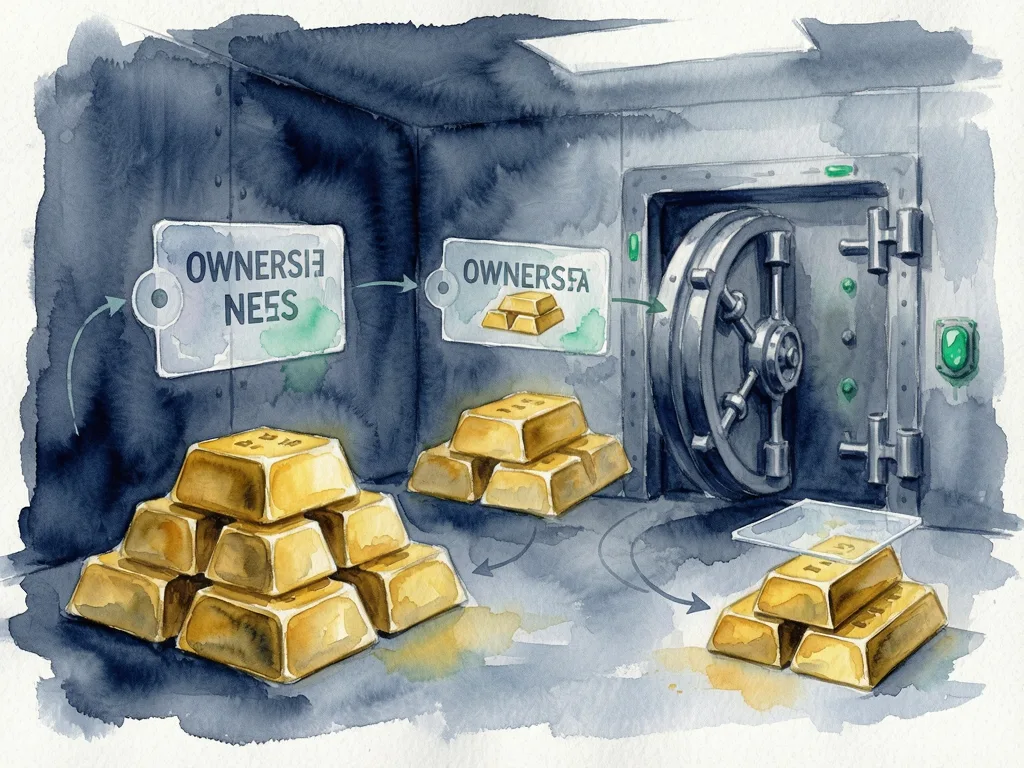
The test was built around the Wholesale Digital Gold initiative developed by the World Gold Council. Its purpose was not simply to create a digital note representing gold. It aimed to place that representation inside a real institutional workflow, where ownership could transfer, settlement could occur and collateral could be pledged while the metal remained in professional vaults.
What Pooled Gold Interests Are
Pooled Gold Interests are digital claims to fractions of physical gold held in a pool. In this pilot, 400-ounce Good Delivery bars were placed into the ecosystem. Each interest represented a proprietary stake in that pooled metal, rather than a general claim against a bank or dealer.
This is different from the traditional unallocated gold accounts common in London's wholesale bullion market. In an unallocated account, an investor holds a claim against a financial institution, not ownership of a specific bar. The Pooled Gold Interests model offers another structure based on fractional proprietary interests in pooled physical gold. It lets institutions transfer economic ownership electronically while the underlying bars remain in professional vaults.
After settlement was completed, the gold was withdrawn from the system, completing a full lifecycle from deposit to representation to redemption. That lifecycle is important because it shows the structure can be used for an end-to-end transaction, not only for issuance or demonstration.
Why the Live Transaction Matters
The key change is that the digital interests were used as collateral in live wholesale transactions. Tokenized real-world assets often stop at proof-of-concept stages, where a token is created but not integrated into existing market operations. This pilot moved further by testing whether a tokenized gold interest could function inside an institutional settlement and collateral process.
For market participants, the operational attraction is mobility without physical movement. Gold bars are heavy, insured and logistically complex to transfer between vaults. If ownership can be recorded and transferred electronically, institutions may reduce friction around ownership transfer and collateral mobility while preserving exposure to allocated physical metal.
The transactions also show that digital ownership can support transfer, settlement and collateral functions while the physical metal stays in custody. That adds another institutional gold use case to broader tokenization efforts involving banks and market infrastructure providers. The pilot aligns with the UK's emerging tokenized gold framework.
What This Changes for Gold Collateral and Settlement
The experiment is not just about putting gold into digital form. The key innovation is allowing those digital interests to be settled and pledged within live wholesale transactions. That means the tokenized representation is not only a bookkeeping entry; it is being tested inside an established financial workflow.
London's wholesale bullion market has long relied on unallocated gold accounts, where holders have claims against institutions rather than specific bars. Pooled Gold Interests introduce a different approach: digital fractional ownership of pooled physical gold, while the metal remains stored and allocated. For institutions, this could make collateral easier to move without increasing the need to physically shift bars.
Participants are assessing whether digital ownership can improve gold's flexibility in institutional markets. If the model matures, it may become another form of tokenized collateral within institutional finance. The approach fits a wider shift toward using tokenized assets inside existing settlement, custody and collateral structures.
What Remains Unresolved
The pilot remains limited in scope. The value of the gold traded was not disclosed. The system is still being tested, and governance rules and a timetable for wider availability have not yet been finalized. The transactions therefore demonstrate operational feasibility without establishing that Pooled Gold Interests are ready for broad market adoption.
That distinction matters. A digital ownership structure may work in a controlled pilot but still need clear governance, legal treatment and market participation before it can be used at scale. Institutions will need to understand how such interests are treated in collateral arrangements, custody contracts, settlement processes and regulatory frameworks.
Adoption will depend on whether Pooled Gold Interests can function reliably inside established market structures rather than merely existing as digital representations. Until governance and availability are settled, the pilot remains a test of feasibility, not a final market product.
What This Means for Readers
For newcomers, the pilot shows how tokenization may be applied to an asset that already has a mature institutional market. Gold is not being turned into a new speculative instrument here. Instead, the experiment tests whether a physical commodity held in vaults can move through electronic ownership, settlement and collateral channels.
For users and investors, the practical impact is indirect. If such structures mature, gold-backed collateral in wholesale markets could become easier to transfer and use. That does not mean retail access is imminent, nor does it imply price effects. The immediate audience is institutions operating in London's bullion market.
The experiment also signals a broader direction: real-world asset tokenization is being tested where it can reduce operational steps in existing financial workflows. The next step will be whether governance and legal clarity turn a limited pilot into a repeatable market practice.
Notice: This article is for information only and is not investment advice.
CollateralTokenizationDigital GoldWholesale BullionLondon Gold