
Coinbase Says Its AI Agent Blocked $4.7 Million From Falling Into the Hands of Deepfake Musk Scammers
Coinbase's AI blocked about $4,700,000 in a deepfake Musk crypto giveaway scam, stopping 91% of customer transfers without human review.
Club desk Updated 2026-11-20 0 replies
Coinbase Says Its AI Agent Stopped $4.7 Million From Reaching Deepfake Musk Scammers.
What happened?
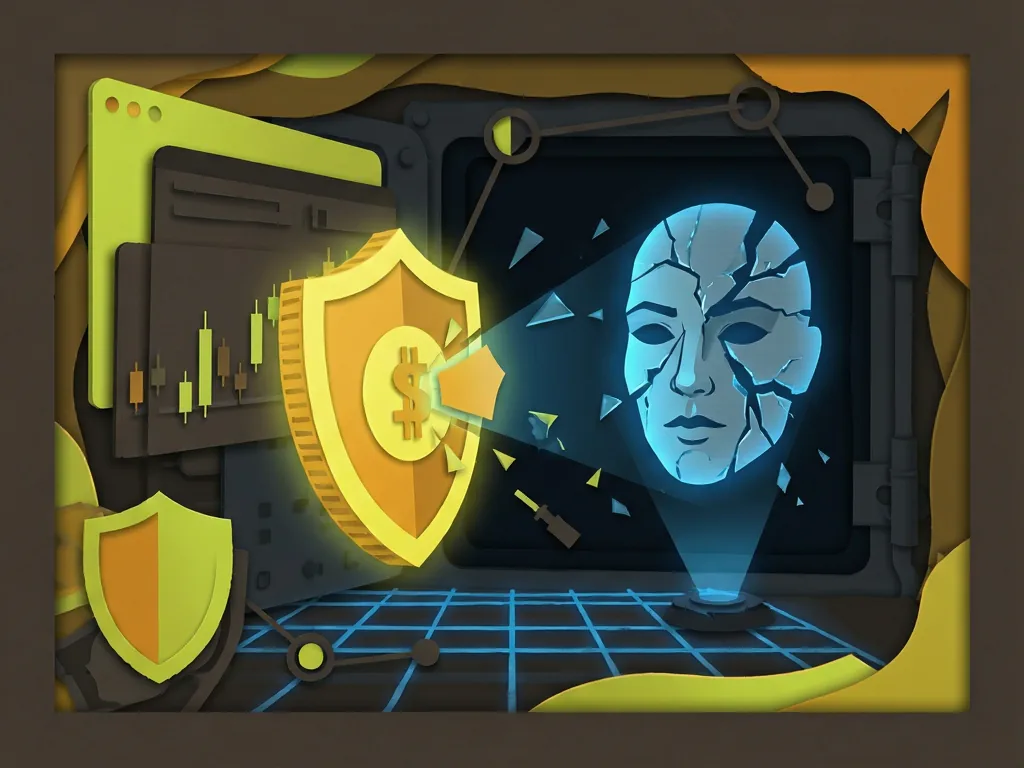
Coinbase said an artificial intelligence scam-prevention agent stopped about $4.7 million from reaching scammers behind a fake Tesla livestream that used a deepfake of Elon Musk to push a cryptocurrency giveaway. In a blog post published Tuesday, the exchange said the fake stream drew more than 500,000 viewers. Over roughly two hours, hundreds of Coinbase customers tried to send money to the scammers, and the agent blocked about 91% of that total, with no humans in the loop.
Coinbase did not give a figure for how much got through. Using Coinbase's numbers, Unchained estimated that customers tried to send about $5.2 million in total and that about $460,000 still left their accounts.
How did the system catch the scam?
Coinbase said the agent had never been trained on this specific con: a deepfake giveaway timed to a live product event. It still recognized warning signs: promised returns that would double a payment, a deadline only hours away, and a transfer that moves money away from the sender.
The initial flag comes from machine-learning models that watch outgoing transfers for signs such as brand impersonation and newly created wallet addresses. When a transfer is flagged, the agent opens a chat. It explains how giveaway scams work and asks the customer about the offer. Each customer reply is scored for confidence before it is shown, according to Coinbase.
Why did this scam look convincing?
The fake stream ran during Tesla's "flying car" demo. Coinbase said viewers saw a synthetic Elon Musk, a quick response code, and wallet addresses. They were told any crypto they sent would come back doubled. Tesla had livestreamed its Roadster reveal, in which the car briefly lifted off on SpaceX thrusters, from McGregor, Texas, in mid-October. Coinbase did not say on what date the fake stream ran.
The exchange stressed that "nobody was hacked." Customers logged into their accounts and approved the transfers themselves. Coinbase said that is why this kind of fraud is hard to catch: the platform's systems "can't see intent."
What does it mean for users?
The episode shows how scam operators can combine a trusted brand, a live event, and a synthetic public figure to make a false offer look current and urgent. It also shows that automated tools can stop many transfers before funds leave an account, even when the platform did not train the model on that exact scam. Coinbase said deepfakes have made such scams cheap to stage and easy to relaunch, and that it is expanding AI review of risky sends across all scam types.
CryptoBriefing reported on the scam on Nov. 4, drawing on a Coinbase demo video in which the company put the agent's effectiveness at 99%. Tuesday's Coinbase post measured the result in dollars.
Coinbase's first piece of advice to customers was direct: "Nobody legitimate will double your crypto."