
MoonPay Has Requested a US Banking Charter to Broaden Its Crypto Custody and Stablecoin Offerings
MoonPay filed for a US national trust bank to supervise crypto custody, stablecoin issuance, reserves, and conversion under federal oversight.
Club desk Updated 2026-11-23 0 replies
MoonPay Filed for a National Trust Bank on November 17, 2026, and Its Application Explains What Federal Oversight Would Mean
What did MoonPay file on November 17, 2026?
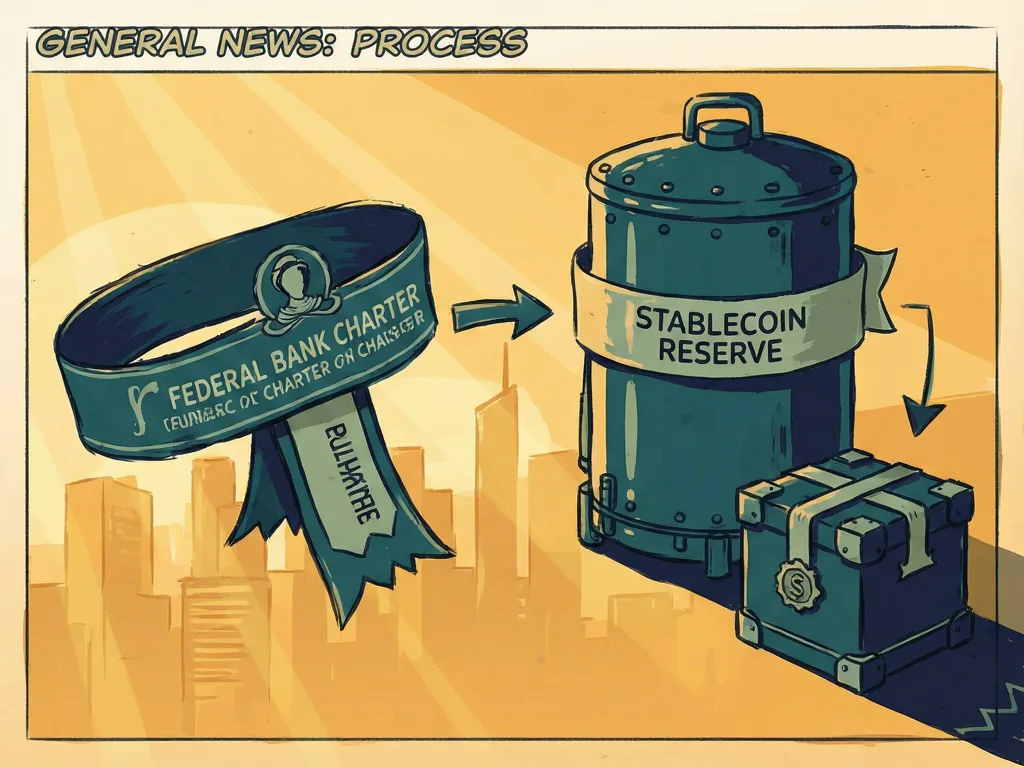
On Tuesday, November 17, 2026, MoonPay Inc. submitted an application to the United States Office of the Comptroller of the Currency to establish MoonPay National Trust Bank. The proposed entity would be headquartered in Miami Beach, Florida, and would operate as a wholly owned subsidiary of MoonPay Inc.
The application seeks to create a non-depository national trust bank. That label is central to understanding the filing. The proposed bank would not accept traditional deposits, would not grant loans, and would not seek deposit insurance coverage. Its planned activities are instead centered on digital asset custody, stablecoin operations, reserve management, and conversion services under federal oversight.
Why does the application matter?
MoonPay is known for facilitating digital asset purchases through traditional payment methods. A federal banking charter would move certain parts of that business into a supervised banking structure, particularly around custody and stablecoin-related operations.
Reports dated November 19, 2026, described the application as a notable step toward regulated finance for the company. The same coverage emphasized that applying for a banking charter and obtaining one are distinct processes. Banking reviews are typically lengthy and demanding, and the filing itself does not mean MoonPay National Trust Bank is operating.
The application also follows earlier state-level approvals. On June 4, 2025, the New York State Department of Financial Services granted MoonPay a BitLicense, alongside a trust charter in that state. The federal filing comes months after those New York authorizations and presents itself as a statement of intent rather than a completed procedure.
What would MoonPay National Trust Bank do?
According to data disclosed regarding the application, the proposed entity would operate under a digital-only model. It would have no branches or offices open to the public. It also does not plan to open branches during its first three years of operation.
Under the proposed trust framework, the bank would custody client assets, issue and redeem stablecoins, manage stablecoin reserves, and act as a conversion agent. The structure would make it a member of the Federal Reserve without seeking deposit insurance coverage.
The application is designed to support digital asset custody services and operations tied to stablecoins under federal oversight. For a company already working with stablecoin infrastructure, that would place some services inside a regulated banking entity.
Who would control the proposed bank?
Documentation submitted to the Office of the Comptroller of the Currency outlines a proposed five-member board of directors led by MoonPay co-founder and Chief Executive Officer Ivan Soto-Wright. Soto-Wright would also serve as interim president and Chief Executive Officer of the proposed entity.
The other proposed organizers named in the application are co-founder Victor Faramond, MoonPay Chief Financial Officer Anne Giviskos, MoonPay director Michael Lempres, and Caroline Butler. November 19, 2026, reports noted that these names and titles correspond to the proposed structure and do not imply the start of operations.
What customers does MoonPay already serve?
The company reported that it serves more than 30 million customers across 180 countries and supports over 500 enterprise clients. It already offers stablecoin issuance infrastructure for businesses, including tools aimed at branded digital dollars.
Approval of the charter would allow a banking subsidiary to manage those services within a federal supervision framework. Without approval, the application remains a proposal, and the proposed bank would not begin operating.
How does this fit into U.S. stablecoin regulation?
The application occurs ahead of the effective date of the GENIUS Act, slated for January 18, 2027. Disclosed documentation notes that the legislation establishes federal standards for stablecoin issuers, including reserve backing and redemption requirements.
That context matters because stablecoin issuers are expected to operate under clearer federal rules, especially around reserves and redemption. A national trust bank structure could place stablecoin issuance, reserve management, and redemption inside a supervised banking framework.
The MoonPay filing also sits within a broader 2026 pattern of trust charter activity in the payments and digital assets sector. November 19, 2026, reports say other applications and approvals for national trust charters have appeared during 2026. Among the actors cited are Coinbase Global, which reported regulatory approval this month for its national trust bank application, and Circle Internet Group, which received approval earlier this year.
Likewise, reports mention that other companies such as Rain, Modern Treasury, and Block have sought federal trust charters, while community banks have voiced opposition to this type of application.
What happens next?
For now, available information indicates there are no known review timelines or public comments from the Office of the Comptroller of the Currency regarding MoonPay’s filing. Coverage also notes that it has not yet been determined when MoonPay will launch the custody and over-the-counter products tied to its New York trust charter or which institutions will join as clients.
The next verifiable milestone on the U.S. regulatory calendar noted in the reports is January 18, 2027, the date slated for the GENIUS Act on stablecoins to take effect. The MoonPay application itself remains a proposal under review. Its practical effect will depend on whether regulators approve it and how long the review takes.
Crypto CustodyStablecoinsUS RegulationMoonPayNational Trust Bank