
South Korean cryptocurrency regulations target overseas exchanges and wallet transfers.
South Korea's financial authorities will tighten anti-money laundering oversight of virtual asset service providers, focusing on high-risk overseas exchanges and personal wallet transfers. The measures include stricter registration screening, closer scrutiny of controlling shareholders and executives, and a cross-border reporting framework that shares crypto transaction data with multiple government agencies.
Club desk Updated 2026-11-27 0 replies
Financial authorities in South Korea are expanding efforts to prevent money laundering through digital assets and other financial channels. Financial Services Commission Chairman Lee Won-geon announced plans on November 23 during the 20th Anti-Money Laundering Day ceremony at the Westin Chosun Hotel in Seoul to strengthen virtual asset service provider screening and closely monitor transfers involving high-risk overseas exchanges and personal wallets.
What changed in South Korea's crypto regulations?
Lee said authorities would strengthen their response to increasingly organized financial crimes and establish a legal basis for suspending transactions on accounts suspected of involvement in serious crimes affecting people's livelihoods.
The government also plans to intensify reporting and screening procedures for virtual asset service providers under the Enforcement Decree of the Act on Reporting and Use of Certain Financial Transaction Information, revised in August 2026. The stated goal is to ensure that only suitable operators are able to access the domestic cryptocurrency market.
Why are platform registrations under closer review?
Under the updated framework, companies seeking to operate as virtual asset service providers will face higher regulatory scrutiny. Authorities will examine registration applications more closely and assess whether businesses meet the required financial and compliance standards before allowing them to provide services.
The screening procedure will place particular emphasis on those who control crypto firms. The chief executives of the company, controlling shareholder, and major shareholders may be subject to scrutiny under South Korea crypto regulations.
How will high-risk overseas exchanges and personal wallets be monitored?
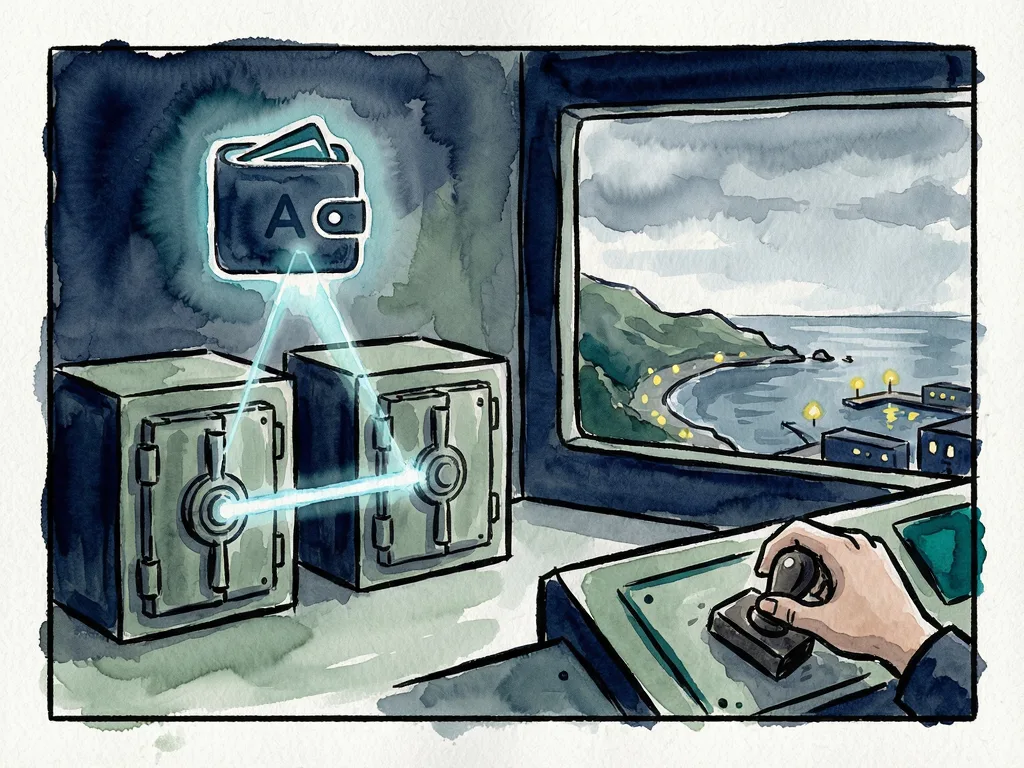
A major part of the announcement involves transfers to risky foreign exchanges and personal wallets. Lee noted that such transactions will be regulated strictly to avoid criminals' attempts to use virtual assets to move money out of the country and escape the domestic financial surveillance system.
Transactions between domestic platforms and foreign service providers may cause certain difficulties when all information on transactions is stored in another jurisdiction. Personal wallets also need to be considered because transactions with such wallets do not take place through a centralized exchange, making them harder to regulate and track down.
What is the proposed cross-border reporting framework?
The government has already suggested a special regulation to address the problem of monitoring cross-border cryptocurrency transfers. On October 8, the Ministry of Economy and Finance announced its plans to amend the Enforcement Decree of the Foreign Exchange Transactions Act regarding virtual asset transfer businesses.
These businesses will include all transactions both between domestic and foreign service providers and between domestic platforms and personal wallets.
What will the reporting framework require from crypto transfer companies?
Under the recommended foreign exchange policy framework, registered virtual asset transfer enterprises should be obliged to provide transaction details to the foreign exchange information system of the Bank of Korea. The received information will be shared with the National Tax Service, Korea Customs Service, Financial Supervisory Service, and Financial Intelligence Unit.
The proposed procedure for exchanging information is meant to facilitate investigations of suspicious transactions across international borders, avoid bypassing foreign exchange regulations, and decrease the amount of illegal transactions concerning digital assets. It will also allow several government bodies to receive necessary information regarding cross-border financial activities.
The proposal contains provisions regarding registration conditions for virtual asset transfer enterprises, including facility and personnel qualification requirements. Companies should comply with registration procedures and inform authorities about any changes in business information. These duties will clearly define the responsibilities of virtual asset transfer companies.
The proposals for amendments are expected to be implemented simultaneously with amendments in the Foreign Exchange Transactions Act on December 3, 2026, after consultations conducted from October 7 until October 26.
How does this fit into South Korea's broader AML system?
The changes are part of a wider effort to improve weaknesses in South Korea's financial monitoring system. According to Lee, authorities will cooperate with relevant ministries in order to obtain the beneficial ownership information of corporations and trusts. South Korea also plans to impose AML obligations on lawyers, accountants, and tax advisors.
These measures aim to prevent people from hiding criminal gains through complex corporate structures or financial professionals. More information on the beneficial owners of companies and trusts can help authorities understand who is behind such financial structures and what their actual use is.
Why is this step considered important now?
The existing AML regime in South Korea has developed significantly since the Financial Intelligence Unit was established in 2001. Financial authorities said suspicious transaction reporting has risen from about 13,000 cases in 2005 to 1.33 million cases in 2025, growing more than 100 times.
The Financial Services Commission also stated that South Korea obtained the highest rate in follow-up inspection of the Financial Action Task Force's mutual evaluation in 2024. At the November 23 ceremony, authorities rewarded eight institutions, including K-Bank, and 26 people for their AML activities.
What does this mean for users?
For newcomers, the main point is that transfers involving high-risk overseas exchanges and personal wallets may face closer checks, while crypto platforms need to meet stricter registration, reporting, and ownership screening requirements. The stated aim is to make it harder to move money through channels that are difficult to track and to reduce opportunities for money laundering through digital assets.
South KoreaCrypto RegulationsAMLOverseas ExchangesPersonal Wallets