
The Ledger Hardware Wallet Tampering Investigation Expands to Germany and the United Arab Emirates
Ledger's probe into tampered hardware wallets expands from Asia to Germany and Dubai; implants capture recovery phrases at setup.
Club desk Updated 2026-11-22 0 replies
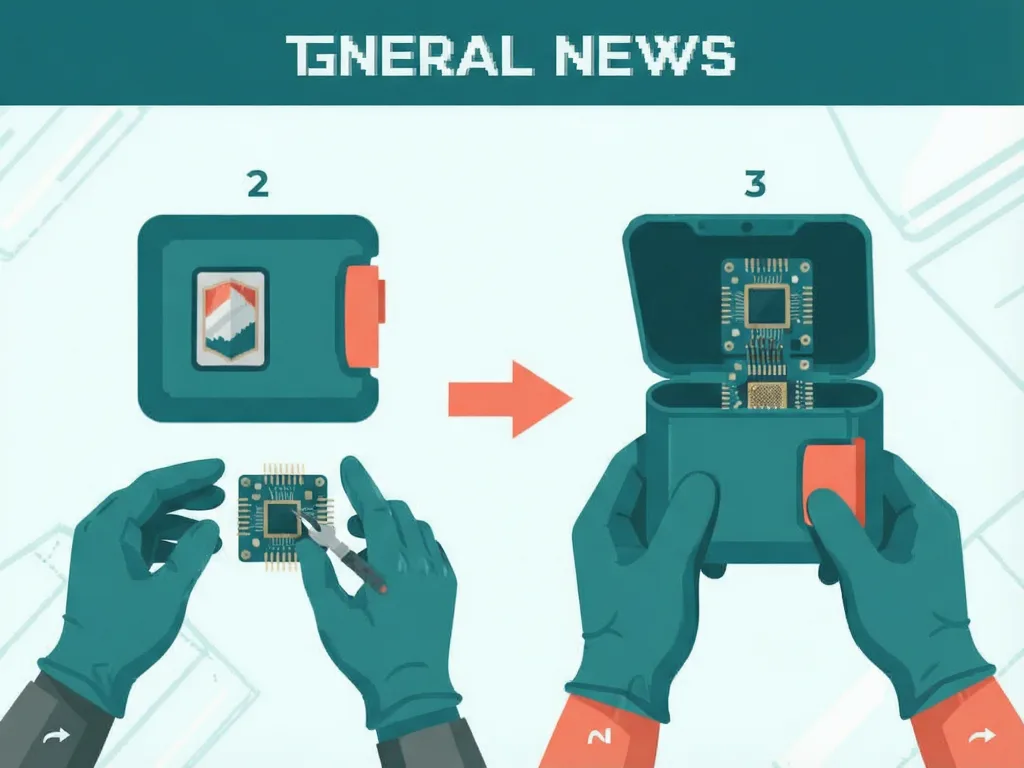
Ledger has expanded its hardware wallet tampering investigation beyond Southeast Asia after identifying modified devices in Berlin, Germany, and investigating two suspected cases in Dubai. The company said the findings were confirmed on November 18, 2026. According to Ledger, criminals physically altered genuine devices before distribution so they could capture users' recovery phrases during the first wallet setup.
What is the Ledger hardware wallet tampering investigation about?
The investigation concerns a criminal group that targeted the hardware wallet distribution chain, not a software vulnerability. Ledger said every confirmed affected device showed similar physical modifications designed to capture recovery phrases. The company also said its secure chip and operating system have no identified vulnerabilities.
In a November 18, 2026 update on X, Ledger said the investigation into the hardware implant incident disclosed on October 15 was ongoing. It also said there was no flaw in Ledger's secure chip or operating system and no confirmed case involving a device bought on ledger.com.
Where has Ledger found or suspected tampered devices?
Ledger said the latest investigation includes Germany, the United Arab Emirates, and Southeast Asia.
- In Southeast Asia, one affected Nano Gen 5 device was identified among devices supplied by resellers whose activities have already been suspended. The investigation into Southeast Asia resellers is ongoing.
- In Berlin, Germany, Ledger said reports about several compromised devices were verified. Customers who bought Ledger hardware wallets in Berlin since January 2026 should contact official support for more information.
- In Dubai, two suspected cases are under investigation. Ledger said it continues to work with distribution partners to understand how the devices became compromised.
The incident was first revealed on October 15. Ledger said criminals tampered with real devices before they were delivered to customers through distributors. An independent investigation also reported the presence of an implant in a Ledger Flex device.
Why is the distribution chain the problem, not Ledger's secure chip or operating system?
Ledger's confirmed findings point to product authenticity and distribution rather than a failure of its core security technology. The company said its investigation found no security flaws in its secure chip or operating system. It also reported no confirmed cases involving devices purchased directly through ledger.com.
This makes the incident different from a typical cyberattack. The attack method described by Ledger does not exploit vulnerabilities within software, accounts, or applications. Instead, criminals targeted physical products before customers received them.
Ledger has not yet published a list of damaged devices or estimated the financial damage.
What do the physical modifications try to steal?
The recovery phrase is the primary target. Ledger explained that a recovery phrase is a string of 24 words that allows a user to recover access to cryptocurrency stored in a wallet. Anyone who has the words can access the wallet and transfer the assets without needing the device itself.
The confirmed devices contained the same physical tampering designed to steal these credentials during initial configuration. Because the recovery phrase is used when a customer first sets up the wallet, a modified device could capture it at that moment.
Why does this matter for people who use hardware wallets?
For users, the case shows that hardware wallet security is not only about the device's internal chip or software. It also depends on the path from manufacturer to customer. If a genuine device is physically altered before delivery, the user may unknowingly expose the recovery phrase during setup.
This is why Ledger's advice separates purchases made directly through ledger.com from purchases made through third-party channels. The company said there is no confirmed case involving a device bought on ledger.com, while the investigation into reseller channels continues.
How does this connect to Trezor and CryptoBilis?
Ledger said it is involved in an independent investigation into Trezor hardware wallets sold through CryptoBilis, a distributor operating in Southeast Asia. CryptoBilis is also part of the Ledger investigation.
Previously, Trezor found physical implants on Safe 5 models supplied through this distributor, creating another hardware security concern. On November 12, Trezor said it had reduced its distributor network by about 80% and launched a firmware update that would prevent the discovered implants.
This indicates that hardware wallet manufacturers are also examining their resellers' networks and products.
What should Ledger customers do now?
Ledger said customers with concerns about potential modification of devices acquired through third parties in Southeast Asia, Berlin, or Dubai should contact the company's support center. The advice for Berlin refers only to purchases made after January 2026.
Ledger gave these steps:
- Do not modify any suspicious device.
- Stop using modified devices for wallet creation or recovery.
- Move funds to another wallet using a recovery phrase created with a Ledger hardware wallet device bought directly from the company.
- Report suspicious behavior related to Ledger devices to the relevant authorities in the customer's country.
Ledger also offers free physical testing of products, including X-rays, at its factory in Vierzon, France. Ledger's security researchers, called Ledger Donjon, are studying suspicious products while the company reviews distributor records and collaborates with law enforcement agencies.
Ledger Support employees would never ask customers for a 24-word recovery phrase through messages or phone calls, the company said.