
Taylor Monahan argues that cryptocurrency teams require real-time monitoring and circuit breakers rather than additional audits.
Monahan says crypto teams need real-time monitoring and circuit breakers, not just audits, as AI attacks rise and incidents show residual risks.
Club desk Updated 2026-11-23 0 replies
What is the change in advice?
Taylor Monahan, a security expert who co-hosts Unchained's Uneasy Money, said crypto teams should now put effort into monitoring and automatic shutoffs rather than repeated audits. She made the remarks on the Nov. 18 episode and described the shift as happening over roughly the past six months.
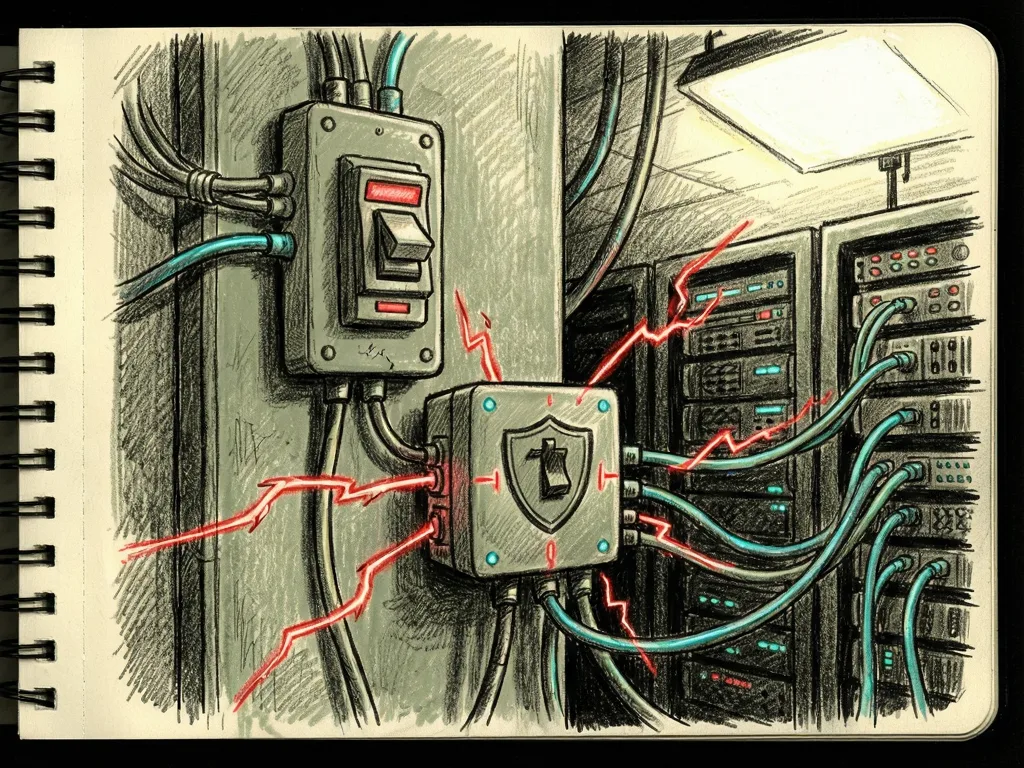
Earlier, her general advice leaned on more classic security practices. Now, her advice is centered on monitoring. Her message to teams is that they need high visibility into what their systems are doing, and that visibility should be pushed as far as possible.
Why does she think monitoring matters more now?
Monahan gave two reasons. First, AI agents now probe projects far more often. Second, AI can help a small team watch its systems for anomalies, work that once required highly skilled staff. She said AI is very good at leveling up a team's own capabilities and expected the next six months to be wild in this regard.
Why are audits and formal verification not enough?
In Monahan's estimate, an audit gets a project about 90% of the way toward security. Formal verification, which uses math to prove code does what it is designed to do, adds another 5%. Even then, she said, a remaining 5% of risk can still cause a system to completely collapse.
What is a circuit breaker?
For that remaining risk, Monahan described a circuit breaker layer. A team defines conditions that must never happen, such as a large value leaving a contract. If the condition is detected, the system pulls the plug automatically. Her example rule was that under no circumstances should $200 million ever leave a contract. If an attack is caught immediately and the system reacts autonomously, Monahan said, the damage can be limited. She called this the layer that crypto has historically not had.
When a guest noted that a circuit breaker had helped another protocol get funds back, Monahan said a breaker also limits damage: instead of being wrecked 100% of the way, a project can be wrecked 5% of the way. Host Kain Warwick agreed that audits catch a lot of issues, but said they never catch the thing that kills you.
What do recent incidents show?
The comments came during a week of incidents. On Wednesday, K3 Capital said it had paused the contracts behind sBOLD, its yield vault built on the Liquity V2 lending protocol, after security firm Blockaid said attackers had drained about $3.43 million as of its first alert.
On Monday, perpetual futures exchange Lighter froze withdrawals after funds were drained through what it said was one trader's leaked application programming interface, or API, key. Lighter later said a contract safeguard it calls Guardian had caught the anomaly, and its Security Council returned about $5 million in USDC, a dollar-pegged stablecoin, to the trader. Withdrawals have since reopened.
What about North Korean hackers using AI?
Monahan also discussed hackers tied to North Korea. She said they are using AI for minor tasks, such as having it adjust their social engineering scripts. She described their current use as boring and said the industry is not yet seeing attackers optimize AI. She expects that to change once younger North Korean hackers start building campaigns around AI from scratch.
She also pointed to a related constraint: in September, Monahan said OpenAI still could not monitor its agents. The original post also pointed to a related discussion titled "Binance Lost $6.3 Billion in 20 Minutes. Can Crypto Stop the Next One?"
What does this mean for users?
For newcomers, the main takeaway is that crypto security is shifting from checking code once to watching systems continuously. Audits and formal verification can still find many problems, but the incidents above show that attackers can still drain funds, leak API access, or exploit contracts.
In some cases, automated safeguards or manual response can pause contracts, freeze withdrawals, catch anomalies, and return funds. The Lighter incident, where about $5 million in USDC was returned to a trader after Guardian caught an anomaly, shows how a fast response can limit harm. The sBOLD pause shows that projects may interrupt access when a security firm reports drained funds.
Users should treat announcements about monitoring, circuit breakers, and incident response as part of how a protocol manages risk, and should not assume that a completed audit means every possible failure has been removed.
crypto securityTaylor Monahanreal-time monitoringcircuit breakersAI security