
Pump.fun Draws Criticism Over Its Private Key Import Process
Pump.fun's web login migration may require importing private keys, prompting security criticism and alternatives for users who cannot export them.
Club desk Updated 2026-11-27 0 replies
What is changing on November 30?
Pump.fun will retire external wallet sign-in on the web at 15:00 Coordinated Universal Time on November 30. The platform is replacing logins through Phantom and Solflare with email or social accounts. Users who want to keep a wallet-linked account will need to migrate through one of those login methods.
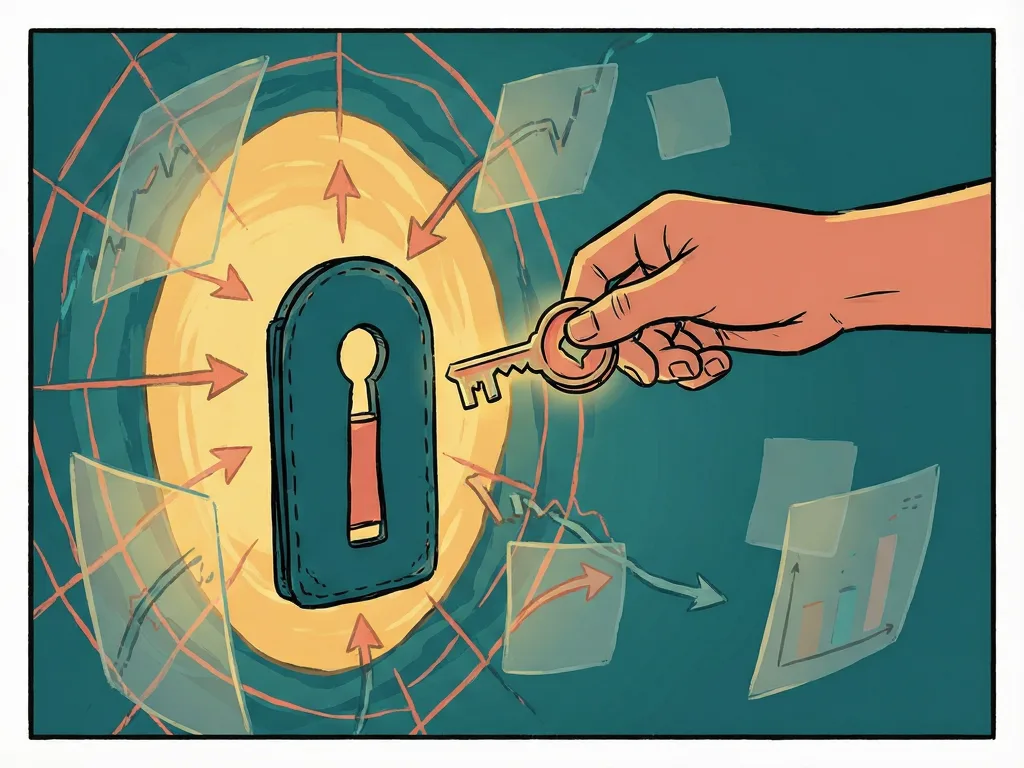
The change is not a simple login refresh. It moves the primary way people access a wallet-linked Pump.fun account from a connected external wallet to an email or social login, while still allowing users to preserve the same account under certain conditions.
How does the recommended migration work?
For the route Pump.fun describes as recommended, a user signs in, opens “Link email & socials,” selects the wallet, and pastes the wallet’s private key when prompted. Pump.fun says that key is encrypted in the browser and held end-to-end encrypted by login provider Privy.
After migration, external wallet sign-in for that address is permanently disabled. The linked email or social account becomes the login method for the wallet-linked Pump.fun account.
This is the core of the debate: the migration can require users to provide an exportable private key to the login flow, even if they do not want to move funds or change their wallet address.
Why are users and critics concerned?
Former Mt. Gox CEO Mark Karpelès challenged Pump.fun’s description of the process. He argued that Privy’s trusted execution environment can decrypt and retain imported keys for signing after authentication. He also questioned why users should copy a private key when wallet messages can prove control of an address.
His criticism focuses on two points: whether the process should be described as end-to-end encrypted, and whether importing a private key is necessary for migration.
The dispute centers on wallet access security, not a reported loss of user funds. The concern is that a migration path that requires pasting a private key can create a sensitive moment where users must trust the interface, the login provider, and the wording used to describe encryption.
What if a wallet cannot export a private key?
Pump.fun offers alternatives for users who do not want to export a key, or who cannot export one. Users can import the wallet through the Pump mobile app and then link a login, or create a Pump account and transfer funds to its new wallet.
Ledger, multisig and other wallets whose keys cannot be exported must use the fresh-account route. Starting fresh moves users to a new wallet, while activity history remains attached to the old address.
That creates a trade-off between continuity and private-key custody. Keeping the same wallet-linked account may require importing a key, while avoiding key import may mean losing the connection to past activity on the old address.
Does the change affect positions, usernames, followers, or trading?
The change affects web authentication, not wallet addresses, positions, followers, usernames, API sessions or trading.
In other words, the underlying wallet address and the on-chain position are not being rewritten by this login change. What changes is how the user signs into Pump.fun from the web. If the user chooses the fresh-account route, however, the user moves to a new wallet while activity history remains attached to the old address.
What does the price snapshot show?
The listed price at publication was $0.00269193 at 15:15 Coordinated Universal Time. The past 7 days change was −3.9%, and the change from the all-time high of $0.00881908 was −69.5%.
These figures describe the price context at the time of publication. They do not indicate a forced liquidation, a fund loss, or a change to wallet ownership.
How can users tell a legitimate migration request from a scam?
Pump.fun says it requests a private key in only one place: the Create account window opened from “Link email & socials” inside a signed-in account. Requests through direct messages, email, X or other websites are scams, according to the platform.
This makes the migration screen especially important to recognize. Because the process involves a private key, users need to be certain they are on the legitimate Pump.fun interface rather than an impersonation page. The platform’s guidance narrows the valid request to a specific in-account flow, but it also raises the stakes for anyone who is unsure about where they are entering a key.
What does this mean for the wider Solana wallet security landscape?
The transition adds an authentication change to the Solana wallet security landscape. It shows how a platform login update can turn into a custody question: users may need to decide whether preserving account continuity is worth exposing a private key to a migration flow, or whether accepting a fresh account is safer despite the loss of visible history on the old address.
This is for information only; not investment advice.