
What happened to Drift?
The developers behind Drift, a Solana-based derivatives exchange, proposed on Tuesday a recovery plan that would funnel protocol revenue to users who lost money in a devastating April hack.
The proposal also includes relaunching the protocol before July as a leaner, perps-native exchange with an emphasis on security.
In an update posted on the exchange's website, the Drift team said it was taking considered measures to ensure that users are made whole, and that Drift restores itself as the leading perpetuals DEX on Solana. The team also said it had made internal hard decisions to restructure and operate as lean as possible, focusing entirely on recovery and relaunch.
Why does this matter?
This matters because a large loss event can affect both users and the long-term credibility of a decentralized exchange. If the plan proceeds as proposed, victims could wait years to break even, while the protocol tries to rebuild around a narrower product focus.
The hack itself happened on April 1, when attackers were able to trick Drift administrators into approving bogus transactions. The hackers made off with crypto worth $295 million, forcing Drift to suspend trading and other activity. Blockchain analysts have since said North Korea was likely behind the hack.
How would users be compensated?
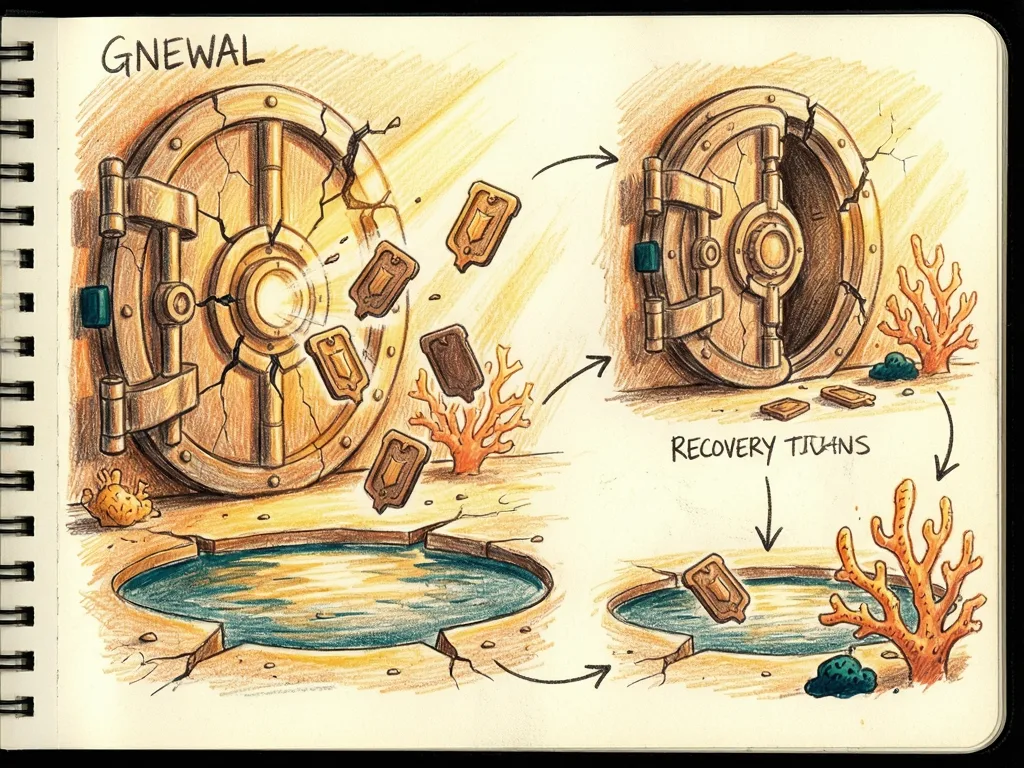
Users would be issued a recovery token representing a claim on a recovery pool. That pool would be filled gradually by Drift revenue, as well as by crypto committed by Tether and other organizations that offered help after the hack.
The claim would be proportional to the amount each user lost.
Various elements of the recovery plan will have to be approved by Drift tokenholders. If the plan passes, it would lead to a lengthy recovery process for users who want to be fully compensated for their losses.
How long could full recovery take?
Drift earned $19 million in revenue in 2025. At that rate, it could take nearly eight years for the recovery pool to reach $295 million, assuming Tether and other partners honour their promise to commit a combined $147 million to Drift recovery efforts.
That timeline is one of the most important parts of the proposal for affected users, because it shows that full compensation may not arrive quickly even if the plan is approved and the recovery pool grows as expected.
What can users do if they do not want to wait?
Users who do not want to wait for a full recovery would be able to redeem their recovery tokens under par as soon as the recovery pool tops $5 million in assets. Under par means receiving less than the full amount of the claim in exchange for an earlier payout.
Drift proposed seeding the pool with just under $4 million in stablecoins.
The recovery tokens would be transferrable, letting people bet on the success of Drift's business model, which is changing dramatically in the wake of the hack.
What will change at the new Drift?
The plan calls for a different product structure. The new Drift would drop earn products that resemble high-risk, high-yield savings accounts, and focus on a perpetual futures exchange running on slimmed-down code.
The team said this change would limit hackers' opportunities to find exploitable code.
Did the proposal affect the token?
The proposal had little immediate effect on Drift's token, which was trading just under $0.04.
The plan was reported by DL News' Aleks Gilbert, a New York-based DeFi correspondent.
Comments 0